New Field Notes
Field Notes, every Monday.
Read


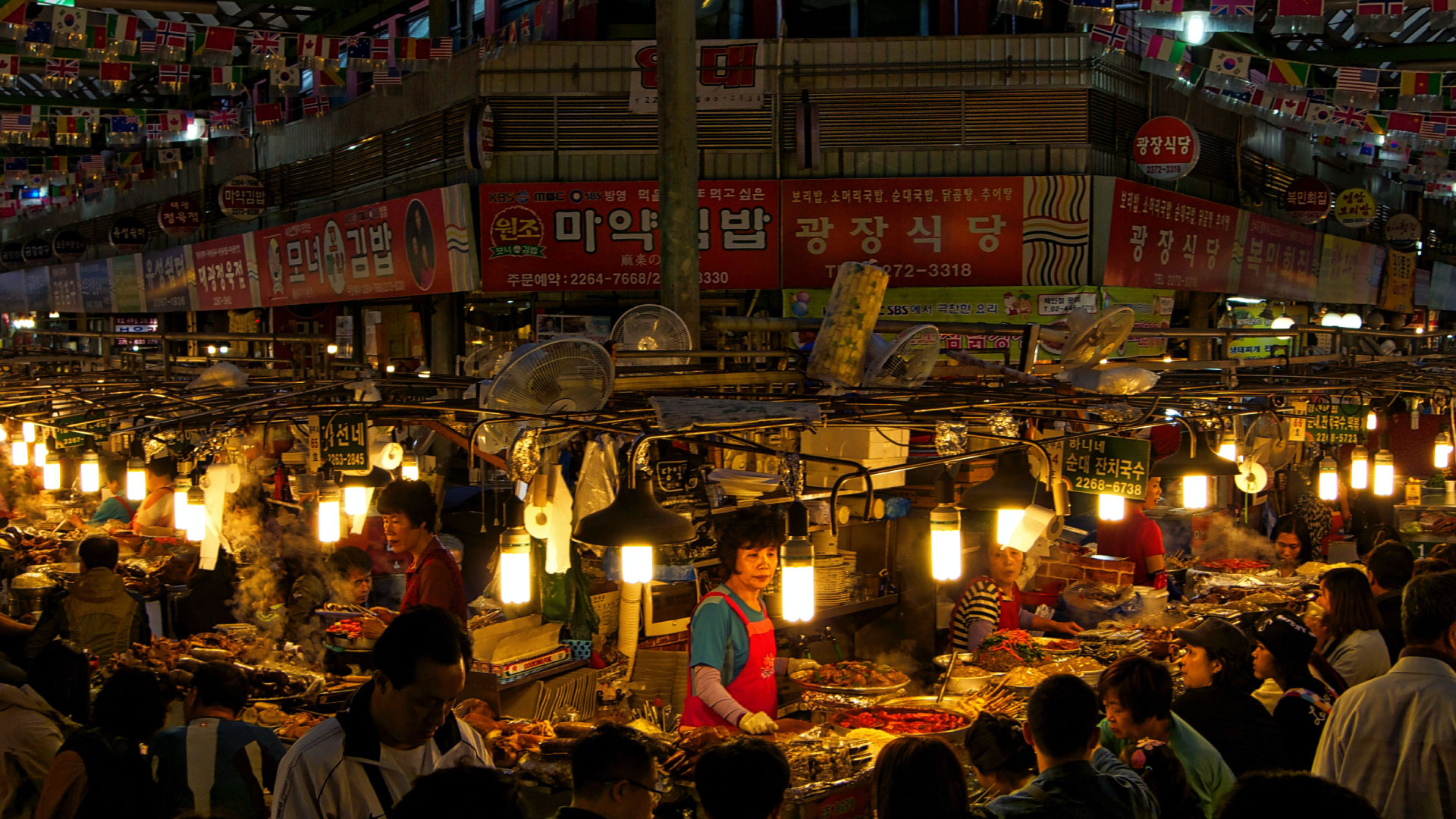
Gwangjang Market is one of the best experiences you can have in Seoul. It's where tradition, culture, and delicious Korean street food all meet in one loud, colorful, crowded market right in the middle of the city. We visited twice, and our food tour through Gwangjang was one of our absolute favorite nights in Korea. Here's everything we learned, updated with current hours and prices, so you can plan your own visit.
Every time we land in a new country, our first mission is to find food. Partly because I barely touch whatever the airline is serving, but mostly because there's no better way to get to know a place than through what people eat. Usually as soon as we drop our bags at the hotel or Airbnb, we head back out to see what we can find. Korea was no different.
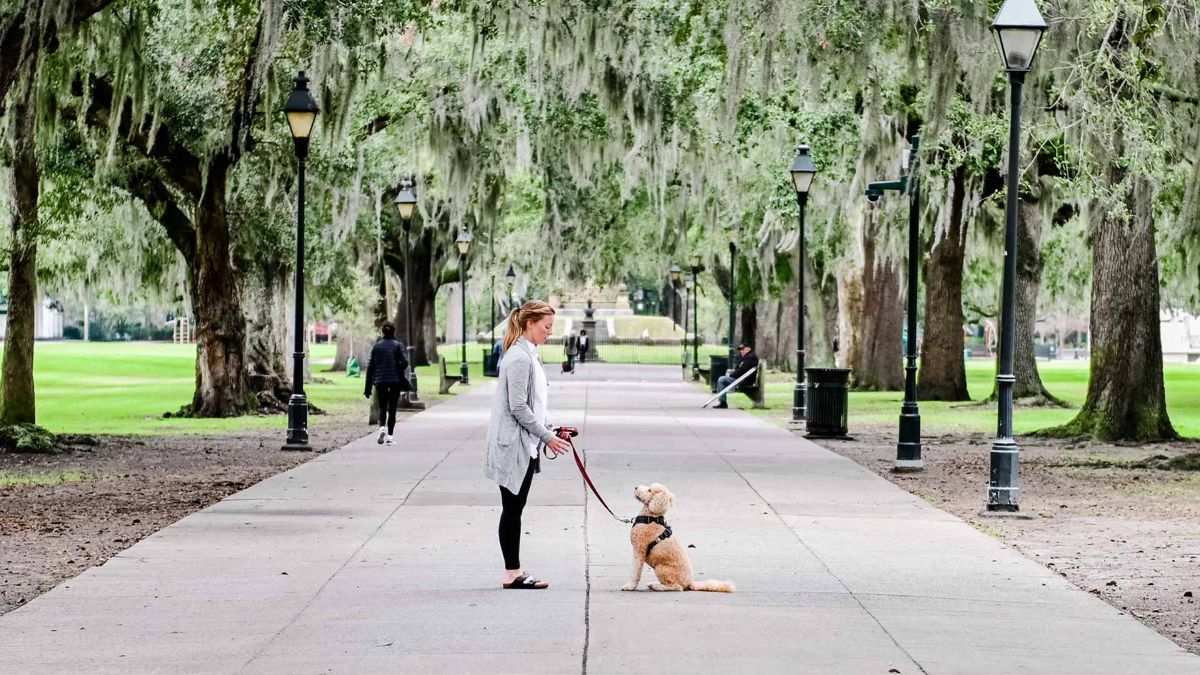
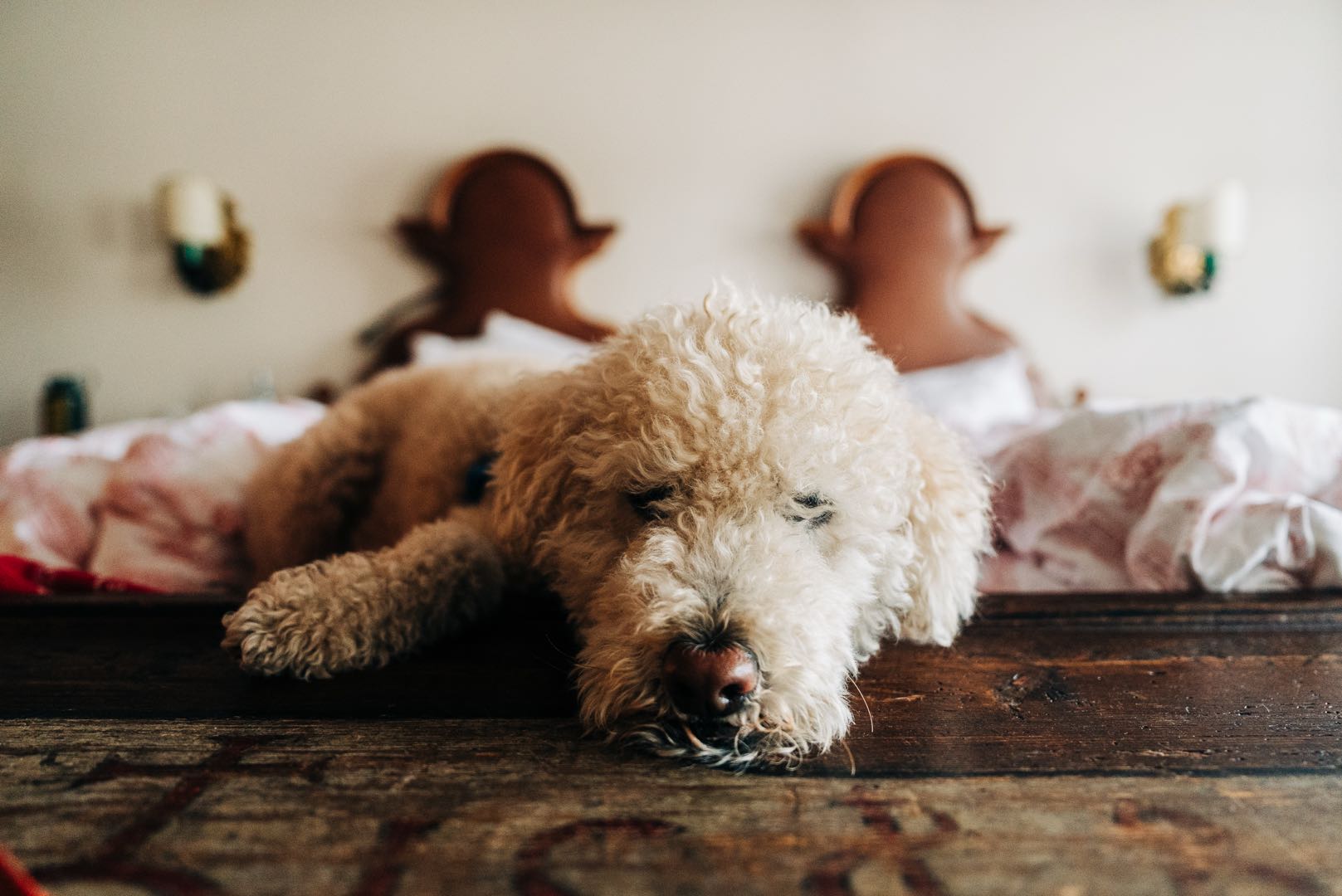
After 24 hours of flying and a 12 hour time change, we knew we had to force ourselves to stay awake a little longer. Fighting jet lag is never easy, but it's a lot easier when a whole new city is waiting on the street below your room. So off we went, dog in tow (yes, we took Kramer to Korea), wandering down alleys and around corners and letting our noses lead the way. It takes about two seconds to find something delicious in Seoul. Korean food is big on smell and big on flavor, which is one reason I love it so much.
Before Korea we knew very little about Korean food. We knew Korean BBQ, but finding Korean food in Tennessee isn't easy. And kimchi. I knew about kimchi, but I had no idea I'd actually love fermented cabbage with a whole lot of chili.
We usually do our own self-guided food crawls, but for Gwangjang we wanted a guide. Traditional markets are a glimpse into everyday Korean life. Plenty of Koreans buy groceries at regular stores now, but at Gwangjang we still saw lots of locals lining up for their favorite seafood and sitting down at the food stalls.
I won't pretend Gwangjang is total cultural immersion. There are a lot of tourists, especially at night when most food tours run. We went twice and had two very different experiences. The first time was late afternoon into early evening, in that lull between the lunch rush and the dinner crowd, and it was fun to slowly take in the sights, sounds, and smells. In the evening you'll almost always be shoulder to shoulder with people, and if you're not on a tour, you'll likely wait for a seat at the popular stalls.
There are smaller markets in Seoul with fewer tourists, but Gwangjang is famous for a reason. It's central, it has some of the best food in the city, and there's an energy there that's contagious. The hanging lights, the sizzle of the griddles, and vendors calling out to you are all part of the fun.
Go hungry, wear stretchy pants and comfy shoes, and plan to eat as much as you can!
Yes. Gwangjang Market and Kwangjang Market are the same place (광장시장 in Korean). You'll see both spellings, and we use them interchangeably in this guide.
Gwangjang Market is in Jongno, right in the heart of Seoul, at 88 Changgyeonggung-ro. Seoul is huge, but the market is just a few subway stops from some of the city's most popular sights, including Gyeongbokgung Palace and Bukchon Hanok Village. That makes it really easy to fit into a day of sightseeing. It also sits right next to the Cheonggyecheon Stream, and it pairs well with Dongdaemun Design Plaza or Changgyeonggung Palace on the same day.

Getting there is easy. Take subway Line 1 to Jongno 5-ga Station and use Exit 8, which puts you right at a market entrance. You can also walk over from Euljiro 4-ga Station (Lines 2 and 5). If you'd rather take a taxi, any driver will know the market.
One tip I really want you to know: Google Maps doesn't give walking directions in Korea, and its transit info is limited, because of Korean rules on exporting map data. Download Naver Map or KakaoMap before you go. Both have English and both give full walking and transit directions, including which subway exit to use. For more on getting around, read our guide to planning your first trip to Seoul.
This is the part that trips people up: the food alley and the general market keep different hours. According to Seoul's official tourism listing:
Keep in mind that every stall sets its own schedule. Lots of food stalls close around 9:00 or 10:00 PM, some don't really get going until late morning, and each one takes its own days off. During big holidays like Chuseok and Lunar New Year, hours can change.
If you're mostly there to eat, go in the late afternoon or evening. That's when the stalls are most lively, with the lights glowing over every booth and steam rolling into the alleys. It's something special. Our first visit was in that late-afternoon lull, and it was the perfect way to slowly take it all in. If you want quieter aisles and a seat without waiting, go on a weekday morning or mid-afternoon. And if you want to shop the fabric and goods vendors, go earlier in the day, Monday through Saturday.
Yes. Gwangjang is popular with tourists, but it's still part of everyday life for a lot of Koreans, so the food alley is open year-round, through the hottest summer days and the coldest winter ones.
Note: Seoul gets very hot in summer and very cold in winter, and the market is basically outdoors. There's a roof overhead and walls to block some of the wind, but dress for the weather. Hot dumplings and pancakes are the best reward on a winter night. In August, the steaming pots can make it pretty sweaty.

A few reasons. It opened in 1905, which makes it one of the oldest permanent markets in Korea, and it's one of the biggest. You can buy everything from traditional fabric and folk crafts to kitchenware. And it's home to some of the best street food in the country. It's a great place to experience traditional Korean culture, shop for something unique, and most importantly, eat.
Outside Korea, the market got a lot more famous after showing up on TV, especially Netflix. More on that below.

Gwangjang has two sides: shopping and food.
On the shopping side you'll find fabrics, folk crafts, and everyday things like kitchenware. The market is especially known for fabric, including the beautiful silks used for hanbok (traditional Korean clothing), and there's a vintage clothing arcade upstairs. Fun fact: you can rent a hanbok and wear one yourself while you're in Seoul.
The food side is what makes Gwangjang so special. You'll find traditional snacks, street food, and full Korean dishes all in one place. If you want to try a lot of Korea's most famous foods in one afternoon, this is it.

Oh man, there's so much good food here. We have a whole post on 16 must-try foods in Korea, and you can find a lot of them at Gwangjang. If you only have room for a few, start with these:

Prices have gone up since our visit, and the same dish can cost different amounts at different stalls. Here's what menus at some of the best-known spots showed in 2026:
For perspective, when we ate at Buchon Yukhoe, our yukhoe bibimbap was 9,000 won. If you share a few dishes and a drink, a filling visit usually runs somewhere around ₩15,000 to ₩30,000 per person.
Most stalls take cards now, but I'd bring some cash too, since a few of the smaller ones prefer it.
I'd be leaving something out if I didn't mention this: Gwangjang has had some ugly headlines. Since late 2023, there have been repeated complaints of street stalls overcharging, from skimpy pancake platters to charging more than the posted price. Seoul's city government responded with rules about displaying prices and portion sizes, and it has sent undercover "mystery shoppers" to check on vendors. Most of the complaints involve the street stalls in the middle of the market, not the long-running restaurants.
None of that would keep us away, but it's worth being a smart customer. Here's what I'd do:
If you're going mostly for the food, we highly recommend it. We booked this Gwangjang Market food tour on Airbnb on a friend's recommendation and had such a good time. Our guide was friendly, knew so much, spoke great English, and did a wonderful job helping everyone in the group get to know each other.
Having a guide saved us time and took us to the best stall for each dish, instead of guessing and hoping. Because the guides are there several times a week, the vendors know them, so seats and food were ready for us and we skipped the long lines. We don't book tours everywhere we go, but for a market like Gwangjang, a tour is the way to go. That night was one of our favorites in Seoul.
The same tour is still running. When we checked in October 2026, it was about two hours long with all food and drinks included, rated 4.96 stars from more than 5,000 reviews, and priced at about $64 to $79 per person.
Tucked into Gwangjang's raw beef alley is Buchon Yukhoe, which has been on the MICHELIN Guide's Bib Gourmand list (Michelin's nod to great food at a good price) for years. It's been serving the neighborhood since 1965, and as the name says, it's famous for yukhoe.
If you've never had yukhoe, it's raw beef, kind of like a Korean beef tartare. I'm not a big meat eater, especially raw meat, but the reviews were so good we couldn't pass it up. We ordered the yukhoe bibimbap, and it was worth the hype.
Plan ahead if you want a seat. The restaurant takes a short break in the late afternoon, around 4:00 to 5:00 PM. We got in line at about 4:45 PM for the 5:00 PM reopening and were third in line. By the time the doors opened, there were about 15 groups behind us, and when we left, the line wrapped around the corner. If you really want to try it, get there early.
Gwangjang Market has been featured on Netflix's Street Food: Asia and Somebody Feed Phil. Watch both Seoul episodes before you visit. We didn't watch them until after our trip, and we wish we had.
The Street Food: Asia episode tells the story of Cho Yonsoon and her stall, Gohyang Kalguksu. We actually got to meet her and eat at her stall, and her dumplings were delicious! I just wish I'd known her story beforehand so I could appreciate the crowds around her booth even more. Somebody Feed Phil is one of our favorite shows, so we always recommend watching Phil's episode for anywhere you're headed.

Gwangjang is central and close to many of Seoul's top sights, so you'll have plenty of options, from budget-friendly to five-star. Here are a few we'd look at.
A classic luxury hotel in the middle of downtown Seoul, known for great service, fine dining, a fitness center, and a spa. It's an easy subway ride or short taxi to the market.
Address: 30 Eulji-ro, Jung-gu, Seoul, South Korea | Google Maps
Check rates: Expedia | Booking.com | Hotels.com
Modern rooms, city views, and a rooftop bar, right by the Dongdaemun shopping district and close to Gwangjang. A good pick for families or longer stays.
Address: 238 Eulji-ro, Jung-gu, Seoul, South Korea | Google Maps
Check rates: Expedia | Booking.com | Hotels.com
A historic luxury hotel downtown with a big fitness center, a spa, and several good restaurants. A peaceful base in the middle of a busy city.
Address: 106 Sogong-ro, Jung-gu, Seoul, South Korea | Google Maps
Check rates: Expedia | Booking.com | Hotels.com
The food alley is open 9:00 AM to 11:00 PM every day. The general market is open 9:00 AM to 6:00 PM and closed on Sundays. Individual stalls set their own hours, and many close by 9:00 or 10:00 PM.
Bindaetteok (mung bean pancakes), mayak gimbap, yukhoe (raw beef), and knife-cut noodles. It's also one of Korea's oldest permanent markets, open since 1905, and known for fabric and hanbok silk.
The food alley is. The general market and most fabric shops are closed on Sundays.
Take subway Line 1 to Jongno 5-ga Station and use Exit 8. Use Naver Map or KakaoMap for walking directions, since Google Maps doesn't provide them in Korea.
Most do, but bring some cash for smaller stalls. Check the posted prices before you order.
We think so, especially on your first visit. A guide skips the lines, picks the best stall for each dish, and explains what you're eating.
If you love trying local food when you travel, Gwangjang Market is a must. It's loud, colorful, and full of incredible smells and flavors. Go hungry, read the menu boards, and say yes to one more pancake. We can't recommend it enough.
Want to see more of our time in Korea? Watch our full film, Americans Visit Korea for the First Time.