New Field Notes
Field Notes, every Monday.
Read

The open road calls to many of us. It promises adventure, new experiences, and the thrill of discovery. But for many, the cost of travel can be a deterrent.
That's where we come in. We believe that the joy of travel should be accessible to everyone, regardless of budget. For years road tripping in our old Prius was how we saw and explored new places both near and far away. While we add a bit of jet setting into our adventures today, we're still partial to simple road trips. Road trips provide flexibility and let you explore unique places for much less money than flying.
Today we're sharing our top tips for planning a road trip on a budget. We'll cover everything from choosing the right vehicle to finding affordable places to stay and attractions along the way. Road trips are how we started our travel content creation business and these are the budget tips that made travel possible for us.
But we're not just talking about affordable travel tips here, we're also advocates for responsible travel. We believe in leaving a positive impact on the places we visit, and we'll share tips on how to do just that.
Planning is essential for any successful road trip on a budget. It helps you foresee expenses and maximize your resources. Begin by sketching out your route to figure out how long your trip will be. Identify key stops and attractions to visit, but remain flexible to accommodate unexpected gems.
Having a clear budget is crucial. Estimate costs for fuel, food, lodging, and activities is important but no budget is perfect. It's wise to over budget rather than underestimate so the cushion can cover unexpected expenses (which will always arise!).
Consider using budgeting apps designed for travel to help you stay on track and avoid overspending. These apps help track spending in real-time and keep you within your budget and they also offer insights into where you can cut costs.
Create a packing list. Prioritize essentials to avoid buying items on the road. Items like reusable water bottles and snacks can save money significantly.
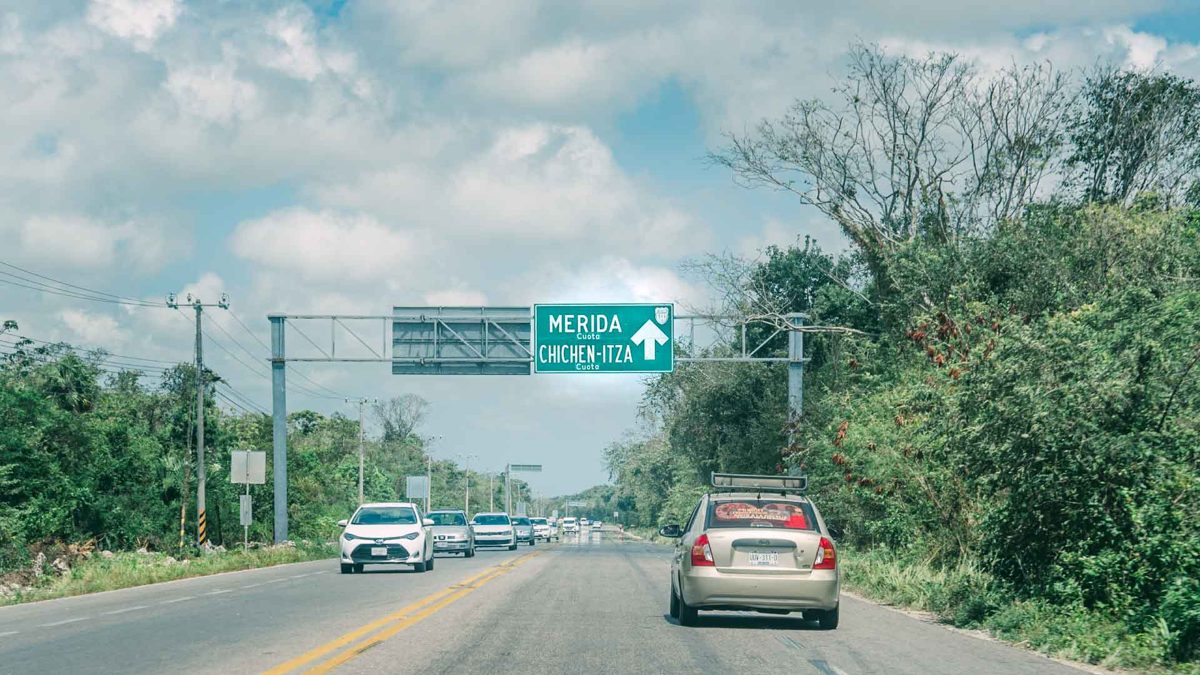
When planning your route, aim for scenic byways or lesser-known paths. These can offer cost-effective and memorable experiences. Plus, driving on toll-free roads can save you a few dollars.
By spending time in the planning phase, you set the stage for a smoother, more affordable journey. Thoughtful planning allows you to enjoy the without stressing about money.
The quick answer for the best vehicle for an affordable road trip would be to say to take the vehicle you already have. However, if you own a vehicle it might be that it isn't reliable and might cost you a lot more money to drive than alternative options. So for this section we're going to assume you either a) don't own a vehicle, or b) don't trust your vehicle to carry you safely on your road trip.
For starters, a fuel-efficient car can dramatically lower fuel costs, giving you more money to spend elsewhere. Look for hybrid models or those known for excellent gas mileage. We've taken a lot of road trips in our Prius and it's always been faithful to us. The only downside is that it doesn't have four wheel drive which would be nice to explore off-grid locations.
Consider the size of your travel group when choosing a vehicle. More seats might mean more comfort, but it could also increase fuel usage. A smaller car could be more economical if you're traveling light.
Maintenance should be another key factor in your decision. A well-maintained vehicle is less likely to incur unexpected repairs. Ensure your car is serviced before the trip, checking tire pressure, oil levels, and brakes.
Lastly, weigh the pros and cons of renting versus using your own vehicle. Renting could be cheaper in terms of maintenance and reliability, while using your car might save on rental fees. Compare costs to see which option suits your needs.
We have often calculated that renting a car is cheaper than driving our own. This is especially true when we think about the wear and tear on our personal vehicle.
Keep in mind that many rental companies offer discounted rates when renting by the week.
Packing smartly can make all the difference in budget travel. Bringing only what you need, focusing on multipurpose items and essentials will help you avoid any space issues in the vehicle and any unnecessary spontaneous purchases for forgotten items once on the road.
Start with a packing list to stay organized. This will prevent impulsive packing, ensuring you bring only what's necessary. Think about climate, destination activities, and trip length.
Avoid buying items on the road by bringing toiletries and personal care products from home. Opt for reusable travel-sized containers to save space and comply with travel regulations (only applies to flying).
Minimize waste and costs with reusable items. Refillable bottles for water and other beverages cut down on disposable purchases. Invest in durable, reliable products that won't need frequent replacement.
Another tip is to pack meals for the journey. Cooking equipment, like a portable stove or a small grill, can make roadside picnics doable. Cooking your food is cheaper than dining out, adding to your budget savings.
Finally, secure your belongings with a good lock and keep valuables hidden. Safety and security can save you the cost and hassle of replacing stolen items. Unfortunately it's all too common for break-ins to happen at popular road trip destinations such as national parks and theme parks.
Budgeting effectively is key to a successful road trip on a budget. Thankfully, technology can simplify this process. Budgeting apps track expenses and help you stick to your financial plan.
Using apps allows you to monitor spending in real time. Categories like gas, food, and lodging can be set up easily within the app, this way, you know where your money is going, helping prevent overspending.
Consider using cash-back and reward apps to maximize your savings. These apps offer deals that can offset some travel costs and help you find the best deals around. Personally we like to use GasBuddy while road tripping and Kayak if we're looking for a last minute hotel deal. Every little bit saved contributes to staying within budget!
GPS apps like Google Maps can help you avoid tolls and costly detours. They also provide efficient routes and real-time traffic updates to keep you informed while on the road. This not only helps save money but also optimizes your travel time, giving you more room in your schedule for adventure.
Traveling in the off-season can significantly reduce your expenses. Many tourist destinations lower their prices during these times. Hotels/campgrounds, attractions, and even dining options become more affordable. Traveling in the off-season or shoulder-season is how we've afforded traveling to some incredible places such as Ireland, Alaska, and Korea.
Beyond the cost benefits, off-season travel often means fewer crowds. This can make your experiences more personal and enjoyable. You'll have more space to explore popular spots without the rush.
The weather might be a bit unpredictable, but generally speaking the weather can be worked around (unless, maybe, you plan a beach vacation during hurricane season). Pack accordingly, and you might find new activities available only during this time. Plan cozy indoor experiences or unique seasonal events indoors to enjoy when the weather takes a turn for the worst.
Research your destinations to find the best off-season times. This will help you make the most of discounts while keeping your itinerary flexible. Not only can you save money, but you might also experience a unique side of the destination that many miss.
One of the biggest expenses on a road trip can be food. But with a bit of planning, you can eat well without overspending. Our number one tip is to embrace making your meals to save cash.
Start by packing a cooler with essentials. Bring fruits, veggies, sandwiches, and snacks like granola bars. This not only saves money, but also ensures healthier eating on the road.
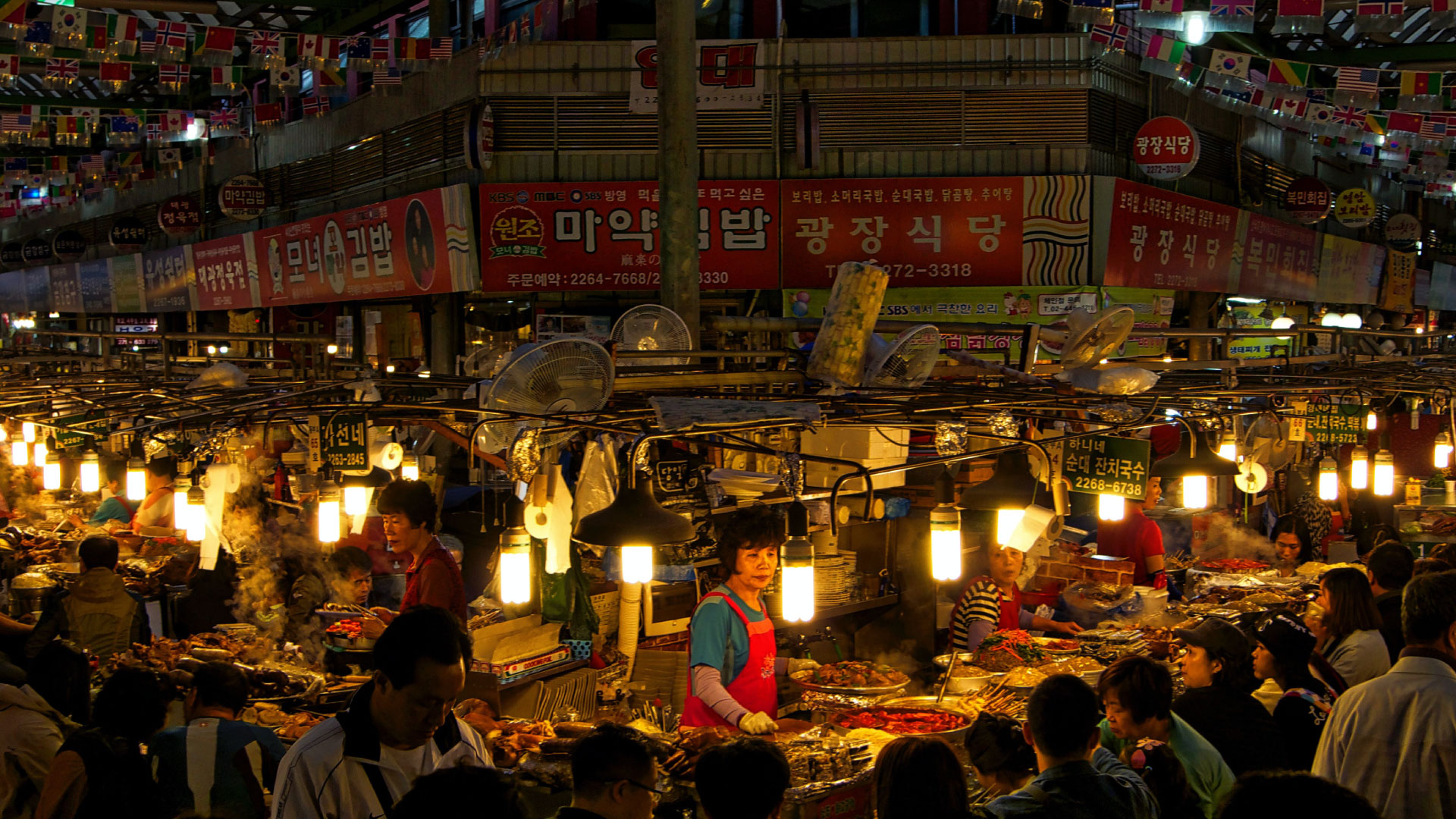
Grocery stores can be a traveler's best friend. Instead of dining out for each meal, shop for local ingredients and prepare simple meals. It's often cheaper and gives a taste of the local culture.
For those inevitable dining out moments, look for local eateries. They usually offer better prices and give a more authentic experience. Avoid tourist traps which often cost more for less quality and authenticity.
Sharing meals with fellow travelers can also save you both money. Splitting a dish not only helps the wallet but also ensures no food goes to waste. It's also a wonderful way to try different dishes. When traveling in the US especially we almost always split meals because the serving sizes are always huge.
A little research can lead to great food discoveries. When in a pinch to find an affordable place to eat in a hurry, we recommend searching "budget foods" or "cheap foods" in Google Maps to get the best money wise spots nearby.
These small tips can make a big difference, keeping your food budget in check while allowing you to savor your journey to the fullest.
Experiencing new places doesn't have to empty your wallet. In fact, many of the world's wonders come without a price tag. Natural landscapes, cultural events, and community happenings offer incredible experiences for free or cheap.
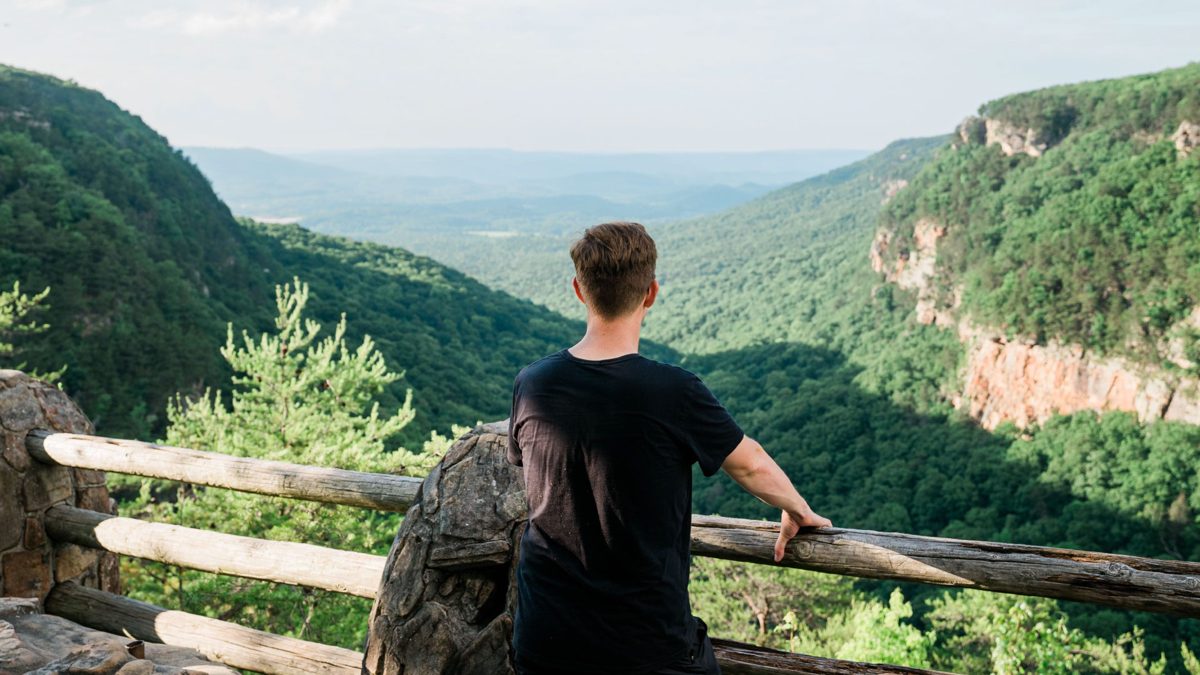
Start by exploring natural wonders like parks and trails. Hiking, swimming, and bird watching are often free and provide incredible memories. Glacier National Park, for example, is a haven for awe-inspiring views at little cost. Checkout our complete travel guide to Glacier National Park for first time visitors here.
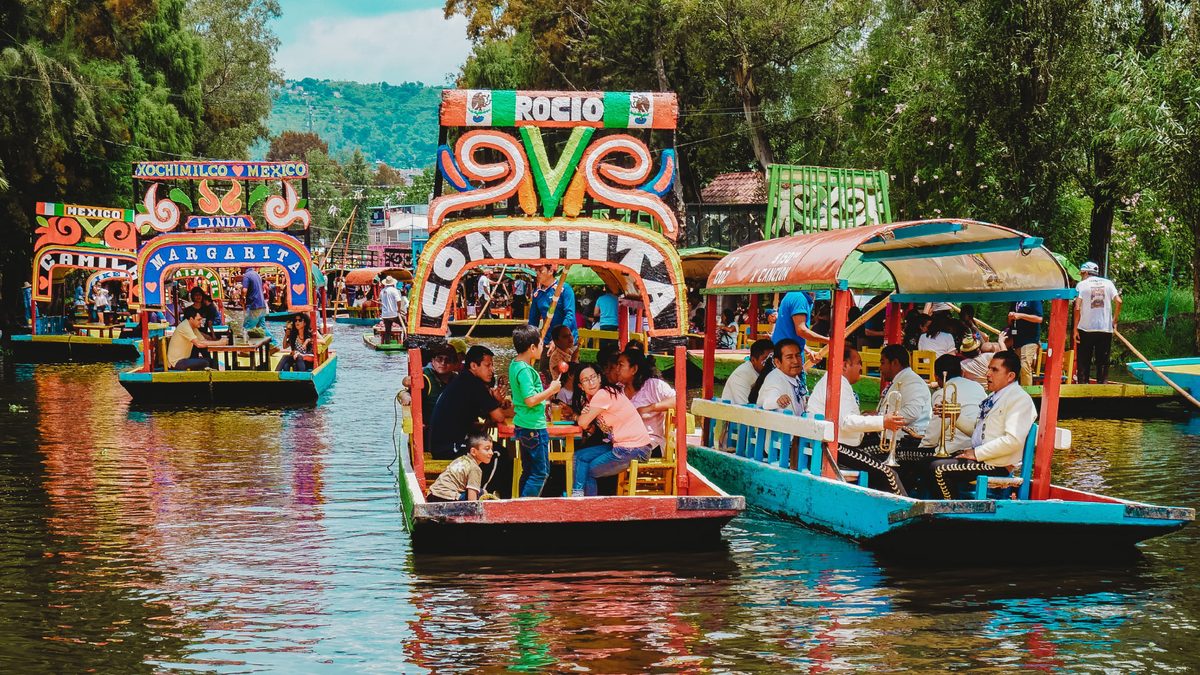
Next, connect with local culture. Many towns host free events like festivals, concerts, or art exhibitions. These events let you dive into regional traditions without a hefty admission fee.
Museums and galleries sometimes offer free entry on certain days or times. A bit of research beforehand can help you find these budget-friendly days and allow you to work them into your schedule ahead of time.
If you plan on hitting up multiple ticket tourist attractions in a city, we recommend making use of city tourism cards (such as CityPASS). They often bundle attractions which provides discounts for a range of attractions.
By creatively seeking out these opportunities ahead of time, you're able to make the most of your road trip on a budget.
Finding affordable lodging is often the most important piece of budget travel. With a bit of creativity, you can find comfort without paying premium prices. Here are our top hacks for sleeping soundly on a shoestring.
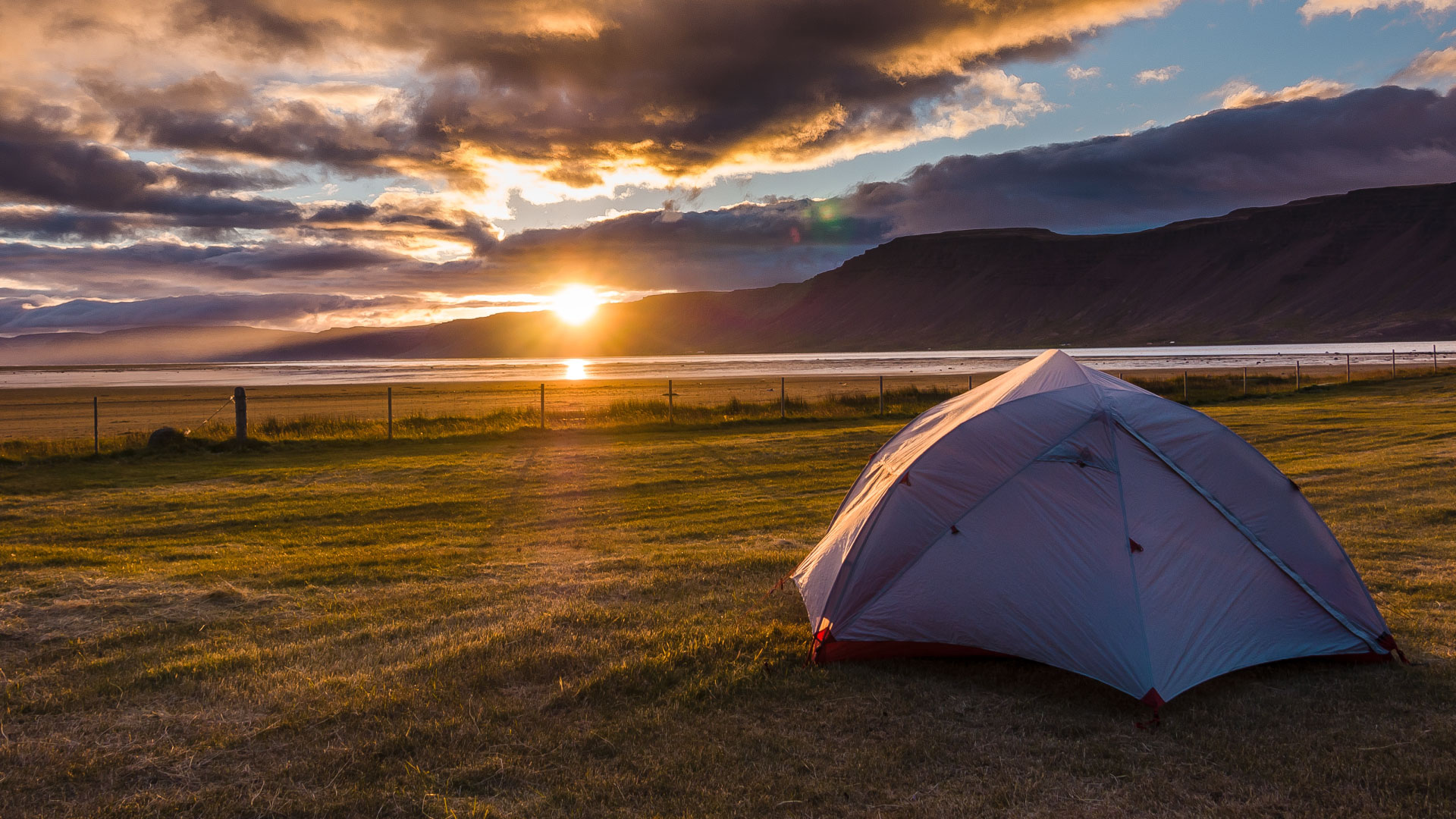
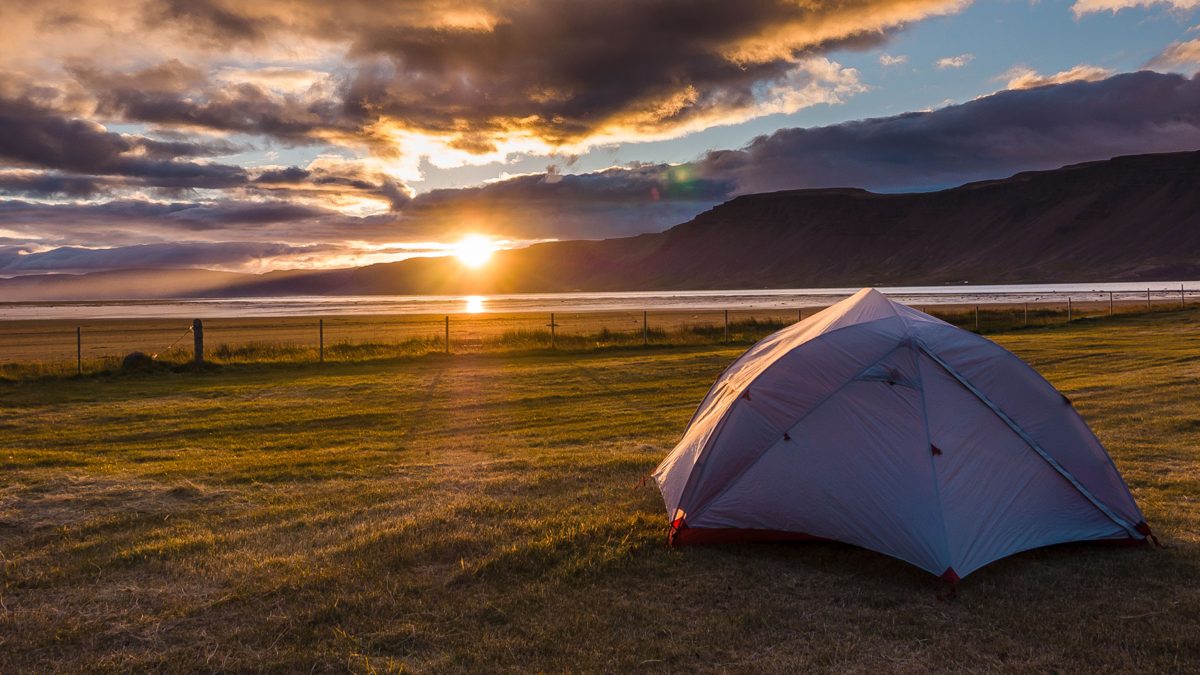
Camping is not only budget-friendly but also immersive. Camping in national parks or designated campgrounds can save you money and connect you closer to nature. It's a fantastic way to experience the raw beauty of a place.
Hostels offer budget-friendly, social experiences. Many have private rooms alongside traditional dorms, providing flexibility for every traveler. These places are also excellent for meeting fellow travelers and sharing tips.
House sitting or home exchange programs offer free places to stay in exchange for home care or a house swap. It's an option that comes with an insight into the local way of life, providing a homey experience. Checkout our podcast episode below with our friends, Chris and Ellen, who housesit around the world to travel for free.
<iframe allow="autoplay *; encrypted-media *; fullscreen *; clipboard-write" frameborder="0" height="175" style="width:100%;max-width:660px;overflow:hidden;border-radius:10px;" sandbox="allow-forms allow-popups allow-same-origin allow-scripts allow-storage-access-by-user-activation allow-top-navigation-by-user-activation" src="https://embed.podcasts.apple.com/us/podcast/50-how-to-live-in-castles-for-free-with-chris-and-ellen/id1687901628?i=1000666649200"></iframe>
Lastly, budget hotels and motels still offer comfort at competitive prices. They might not have the frills but provide essential amenities at a fraction of the cost.
By using these hacks, you can stretch your budget further and dive deeper into the local culture. A comfortable night's rest shouldn't break the bank but instead pave the way for more adventures.
Gas expenses can quickly add up on a road trip, but with some savvy strategies, you can keep them in check. Start by choosing a fuel-efficient vehicle if possible. A car with good mileage goes a long way in reducing costs.
Before hitting the road, perform basic car maintenance. Ensure your tires are properly inflated, as under-inflated tires can increase fuel consumption. Regular maintenance keeps the car running smoothly and economically.
Use technology to find cheaper gas stations along your route. Apps such as GasBuddy that compare gas prices help identify stations with the best deals, which can differ significantly even within short distances.
Lastly, consider carpooling to split gas costs with fellow travelers. If you opt to carpool with friends and plan to take turns at the wheel, make sure your car insurance covers additional drivers!
Staying connected while traveling is essential, especially if you're a digital nomad or need directions. Start by utilizing Wi-Fi whenever possible. Many cafes, libraries, and hotels offer free Wi-Fi, letting you save on data usage.
Consider purchasing a local SIM card or an e-SIM card if your road trip takes you across international borders. This is often more economical than international roaming charges. Keep in mind that many of the latest phone models (such as the latest iPhone) no longer allow for you to switch out the physical SIM card. In that case you'll need to stick to eSIM options (we recommend Airalo). Use code CHRISANDSARA3 for $3 off your first eSIM and download Airalo today.
Another tip is to use messaging apps for calls and texts. Apps like WhatsApp or Skype offer free communication options over Wi-Fi, avoiding extra charges on your phone bill. Plan ahead and download these apps before your trip begins so you're ready to use them as soon as you cross into a new country.
Lastly, keep communication simple. Save data by planning your routes in advance or downloading maps for offline use. Downloading maps in advance to use in offline mode is super easy to do in Google Maps! Doing so allows you to reduce the need for constant connectivity and enjoy your travels more peacefully.
Traveling responsibly is more than a trend; it's a commitment to the places we visit. As travelers, we have a duty to leave a positive footprint behind. Oftentimes people talk about Leave No Trace and leaving a positive environmental impact on the places we visit, but traveling responsibly goes beyond just the environment. This starts with understanding the cultural significance of the areas we explore.
Respect local customs and traditions. Learn basic phrases in the local language to connect more meaningfully. This small effort can lead to richer experiences and genuine friendships.
Prioritize eco-friendly practices to preserve natural beauty. Opt for reusable water bottles and bags to minimize waste. Choose sustainable accommodations that support conservation efforts when possible.
Engaging with local communities is a rewarding way to travel. Support small businesses and artisans by buying local. This boosts the local economy and often leads to learning more about the culture.
Consider volunteering while on the road. Many destinations have opportunities for travelers to give back, such as beach cleanups or community projects. This can deepen your connection to a place.
Ultimately, responsible travel makes your trip more rewarding and helps the places you go. It's about creating memories that are mindful and meaningful. Choose to travel in a way that cares for nature and local communities so you don't harm the places you visit.
A budget-friendly road trip is not just about saving money. It's about experiencing the world in a genuine and in slower pace way. Traveling on a budget can allow you to connect with places and people more deeply and allow you to have very different experiences than luxury travelers have (there's a time and a place for both types of travel!).
By planning carefully and making thoughtful choices, you can enrich your travel experiences. Embrace the unexpected adventures that come your way. Often, they become the most cherished memories from your journey.
Remember, traveling responsibly ensures the destinations you love can be enjoyed by others too.