New Field Notes
Field Notes, every Monday.
Read


What are the best digital nomad visa options? This article outlines the available visas for digital nomads, how much they cost, and other important factors to consider.
Are you a digital nomad? If so, you're probably always on the lookout for new and exciting places to work and live. But what happens when your current destination's visa requirements change and you can no longer stay there legally? In this blog post, we'll take a look at the digital nomad visa options available in 2026. So whether you're thinking of moving to Europe, Asia, Latin America, or the Caribbean, read on to find out more!
Digital nomads are a relatively new phenomenon, made possible by advances in technology that allow people to work remotely. As more and more people are realizing the benefits of this lifestyle - greater flexibility, freedom, and the ability to live and work in amazing places around the world - the demand for digital nomad visas is skyrocketing.
A few years ago, only a handful of countries had visas built for digital nomads. Now dozens do, and new ones keep popping up as more countries look for ways to welcome remote workers for longer stays. Sri Lanka, for example, launched its digital nomad visa in early 2026.
There are a few different ways to legally live abroad while you keep working remotely, depending on your passport and where you want to go. Here's a quick overview of the most common options:
- Digital nomad visa or remote work permit: This is the big one. It lets you live in a country while you keep working for an employer or clients based somewhere else. Most last anywhere from 6 months to 2 years and ask for proof of a minimum income and health insurance.
- Freelance or self-employment permit: Some countries, like Germany, don't have a digital nomad visa but do offer a residence permit for freelancers. Expect more paperwork, like a business plan.
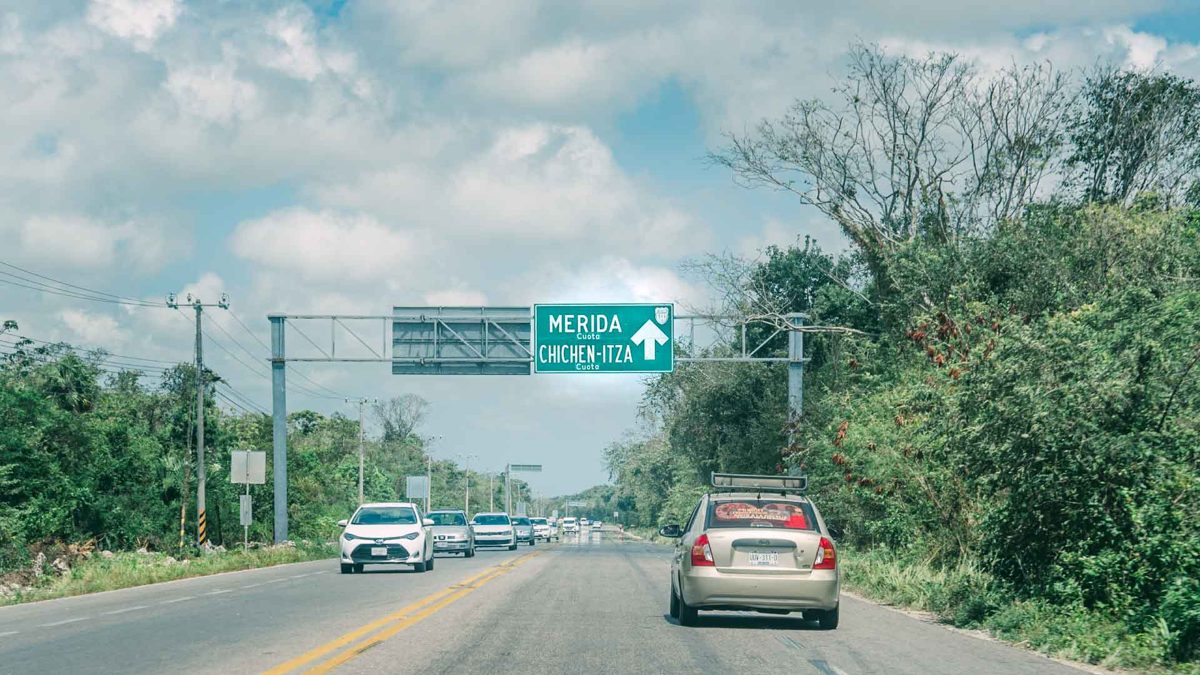
- Long-stay or temporary resident visa: Countries like Mexico don't have a dedicated nomad visa, but remote workers who can show steady income or savings can apply for temporary residency. Thailand's Destination Thailand Visa also covers remote workers.
The process of applying for a digital nomad visa will vary depending on the country you're traveling to. In most cases, you'll need to fill out an online application form and provide supporting documentation, such as proof of income and travel insurance. You may also be required to attend an interview at the embassy or consulate of your destination country.
There are many benefits to having a digital nomad visa, such as:
- The ability to live and work in another country for an extended period of time.
- No more border runs just to reset a tourist stamp.
- The opportunity to establish business connections in another country.
- A sense of security and stability, knowing that you have the legal right to stay in your chosen destination.
There are also some downsides to having a digital nomad visa, such as:
- The need to meet eligibility requirements, like proving a minimum monthly income and carrying health insurance.
- Staying long enough can make you a tax resident, so check the tax rules before you go.
- The cost of applying for and renewing a visa.
- The possibility of your visa being rejected or revoked.
The cost ranges country to country and also by how many people are planning to move to said country as nomads. For example, The Bahamas charges a $25 application fee plus a $1,000 permit fee per person, while Cabo Verde's visa fee is just 20 euros per person. Each country prices their visas differently, so be sure to check your preferred country's requirements carefully before applying.
*In alphabetical order. Rules and income requirements change often, so always double-check the official page before you apply.
Nomad Digital Residence. Stay up to 2 years. Income: at least US$50,000 a year.
BEATS (Bahamas Extended Access Travel Stay). A 12-month permit you can renew for up to 3 years. Fees: $25 application plus $1,000 permit per person ($500 per dependent).
Barbados Welcome Stamp. Stay up to 12 months. Income: you should expect to earn US$50,000 or more over the next 12 months.
Digital Nomad Visa (VITEM XIV). Stay up to 1 year, renewable for another year. Income: US$1,500 a month or US$18,000 in the bank.
Remote Working Program. Stay 6 months, renewable for 6 more. Income: average bank balance of 1,500 euros (2,700 euros for families) over the last 6 months. Fees: 20 euro visa fee plus a 34 euro airport fee.
Digital Nomad stay. 1 year, renewable for another year. Income: US$3,000 a month (US$5,000 for families). Fee: a one-time fee plus a $100 deposit.
Temporary stay for digital nomads. Up to 18 months. Income: at least 3,622.50 euros a month. Fees: about 46 to 56 euros for the stay permit, plus card or visa fees.
@HOME in Curaçao. Open to US and Dutch citizens, with a separate route for other passports. Check the site for current stay length and costs.
Digital Nomad Program. For IT and marketing professionals from the US, UK, Canada, Australia and a handful of other countries. Check the official page for the current income threshold.
Work in Nature (WIN) Visa. Stay up to 18 months, with an income tax waiver while you're there.
Virtual Working Programme. 1 year, renewable. Income: US$5,000 a month. Fee: US$287 per person, plus UAE health insurance and processing fees.
Digital Nomad Visa. Stay up to 1 year. Income: at least 4,500 euros a month.
Not a nomad visa, but the freelance residence permit lasts up to 3 years. You'll need a business plan and proof you can support yourself. Fee: up to 100 euros.
Digital Nomad Visa. Up to 1 year, then you can switch to a 2-year renewable residence permit. Income: 3,500 euros a month after tax (plus 20% for a spouse and 15% per child).
White Card. 1 year, extendable once for another year. Income: at least 3,000 euros a month after tax for the 6 months before you arrive.
Long-term visa for remote workers. 90 to 180 days. Income: ISK 1,000,000 a month (ISK 1,300,000 with a spouse). Fee: ISK 12,200.
Digital nomad and remote worker visa. Income: at least about 27,000 euros a year, and employees also need to meet Italian salary benchmarks.
Digital nomad visa (Designated Activities). Stay up to 6 months, no extensions. Income: at least 10 million yen a year, and you need medical insurance.
Nomad Residence Permit. 1 year, renewable up to 4 years total. Income: 42,000 euros a year before tax. Fee: 300 euros.
Premium Visa. Valid for 1 year and renewable.
No dedicated nomad visa, but remote workers can apply for a Temporary Resident Visa. Each consulate sets its own income and savings requirements, so check with the one you'll apply through.
Remote Workers Stamp. Stay up to 1 year.
Short Stay Visa for Remote Workers. 9 months, renewable once for another 9. Income: US$36,000 a year from outside Panama.
Digital Nomad Visa (temporary stay or residence for remote work). Income: four times Portugal's minimum wage, which works out to about 3,680 euros a month in 2026.
Digital nomad visa leading to a renewable residence permit. Income: three times Romania's average gross salary.
Telework (Digital Nomad) Visa. 1 year. Income: 2,442 euros a month in 2026, plus 916 euros for the first family member and 305 euros for each one after. Fee for Americans: $190.
Workation Visa (F-1-D). 1 year. Income: more than twice Korea's GNI per capita after tax.
Digital Nomad Visa, new in 2026. 1 year. Income: US$2,000 a month. Fee: US$500.
Digital Nomad Visitor Visa. Income: US$40,000 a year (US$20,000 if you're 20 to 29), plus an average bank balance of US$10,000 over the last 6 months.
Destination Thailand Visa (DTV). A 5-year multiple-entry visa that covers remote workers. Savings: at least 500,000 baht in the bank.
If you're not eligible for a digital nomad visa, or if you can't afford the cost of one, there are other options available to you. You could apply for a traditional work visa, which would allow you to stay in your chosen country for a specific period of time and work in a specific occupation. Or, you could try to obtain a residency permit, which would give you the right to live in your chosen country indefinitely. Some countries (such as Germany) refer to their visas as "freelance visas." Read through the different countries and see what works best for you!
There is no one-size-fits-all answer when it comes to choosing the right digital nomad visa option for you. The best way to figure out what's right for you is to research your options carefully, check each country's official immigration page for the latest rules, and talk to an immigration or tax professional if your situation is complicated. Then pick the place that fits your budget, your work, and the life you want to live while you're there.